The Kingdom at a Glance
For centuries, the Arabian Peninsula has been a crossroads of civilizations. Today, the Kingdom of Saudi Arabia honors this legacy while embracing a future of openness and progress.
Saudi Language
Arabic is Saudi Arabia's official language, with a rich dialect that reflects centuries of Bedouin heritage and Islamic influence.
Discover Saudi Dialect Phrases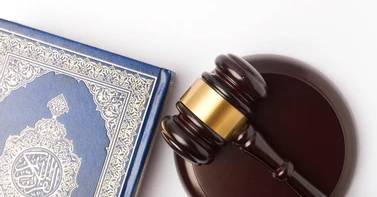
Saudi Constitution
The Kingdom's constitution is based on the Qur'an and Sunnah as primary sources of legislation, guiding governance and daily life.
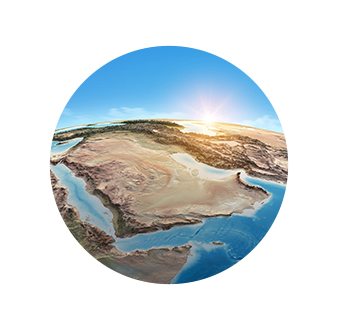
Largest Country
The Kingdom of Saudi Arabia is the largest country in the Arabian Peninsula, spanning over 2 million square kilometers. Its capital city is Riyadh.
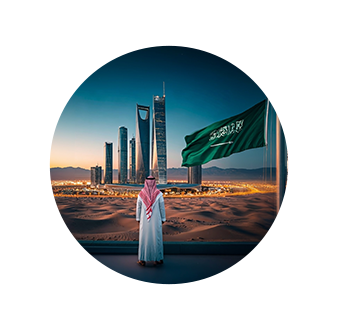
Population
Saudi Arabia's population is 32.1 million (2022 estimate), reflecting its rich diversity and remarkable growth over the past decades.
Saudi Vision 2030
Saudi Arabia has a visionary plan, Vision 2030, aimed at transforming the nation into a global hub for business, culture, and tourism.
Read Vision 2030History of the Kingdom
Long before the modern era, the Arabian Peninsula stood at the crossroads of ancient trade routes, connecting East and West. This is where Islam was born — a faith that would shape the course of human history and inspire a civilization of learning, art, and spiritual depth.
In 1932, King Abdulaziz Al-Saud unified the tribes of Arabia into a modern nation. In the decades since, the Kingdom has undergone one of history's most remarkable transformations — from desert heartland to global participant — while remaining deeply rooted in its Islamic faith and Arabian identity.
Facts & Figures
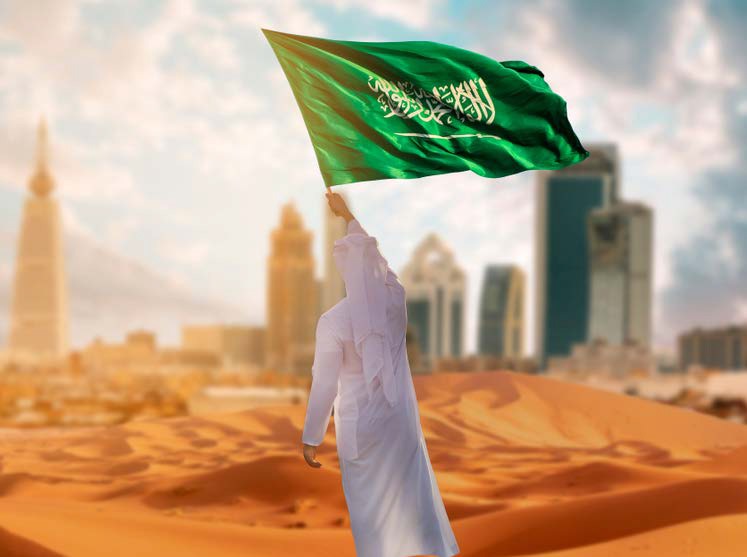
Flag: Green background with the Muslim creed: "There is no god but God. Muhammad is the Messenger of God."
Emblem: A date palm representing vitality, and two crossed swords symbolizing justice and strength.

Calendar
Saudi Arabia uses the Islamic (Hijrah) calendar, dating from the Prophet's emigration from Makkah to Madinah. The weekend is Friday and Saturday.
Location
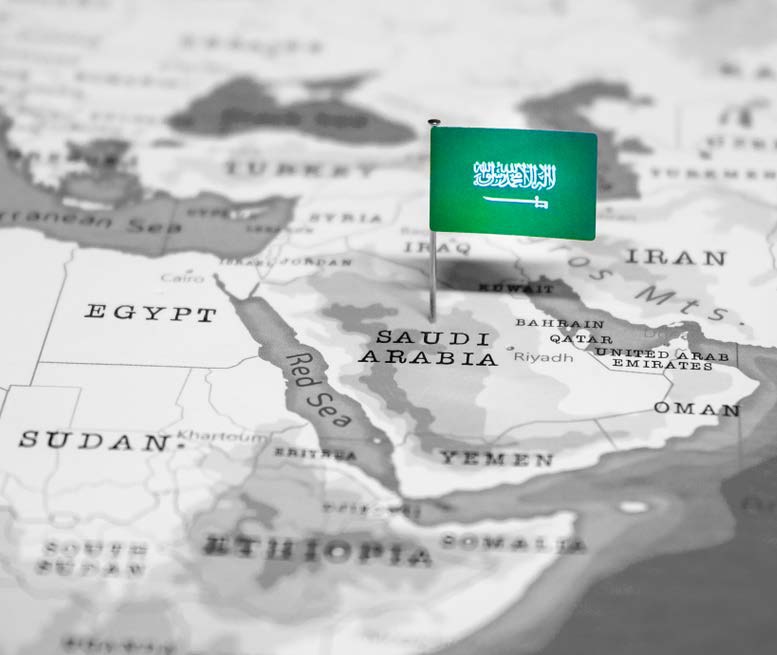
Located in southwest Asia at the crossroads of Europe, Asia and Africa, extending from the Red Sea to the Arabian Gulf.
Geography
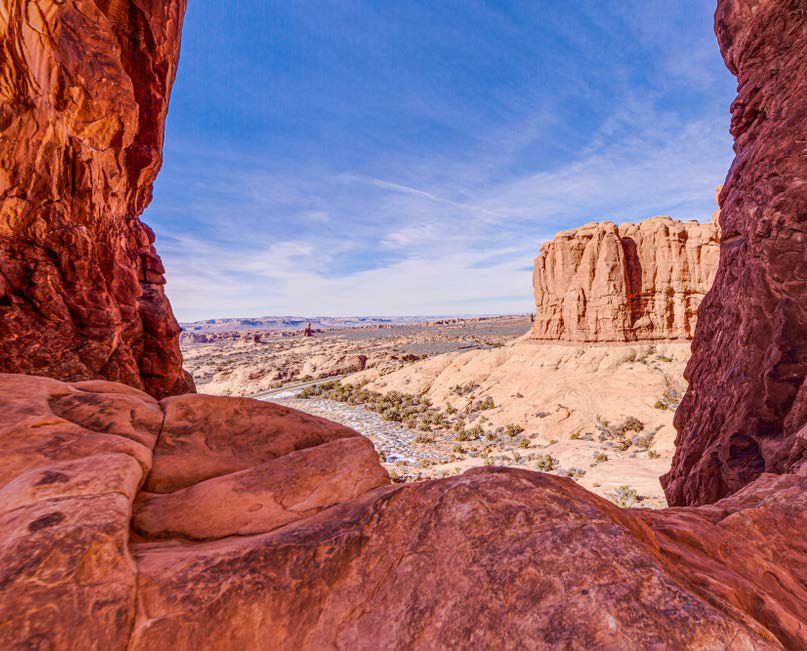
Diverse landscape with forests, grasslands, mountains and deserts. Temperatures range from over 110°F in summer to below freezing in winter.
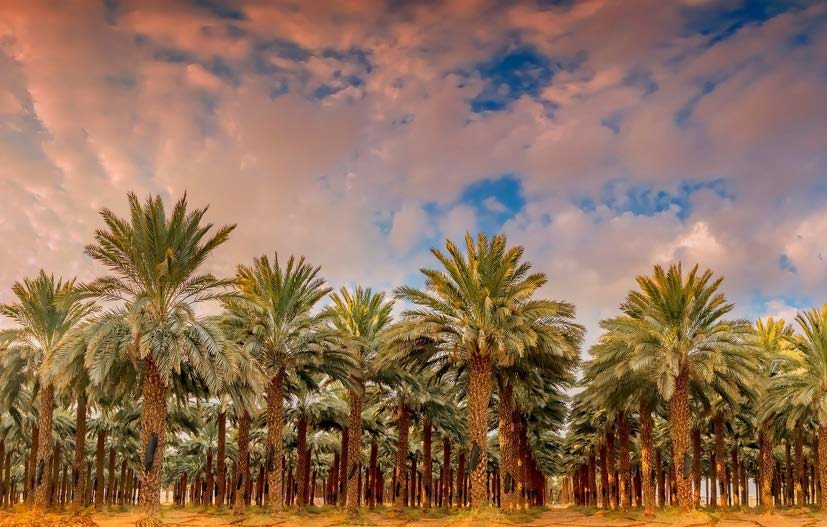
Agriculture
Remarkable transformation of desert into farmland. Today Saudi Arabia exports wheat, dates, dairy products, fruits and vegetables worldwide.
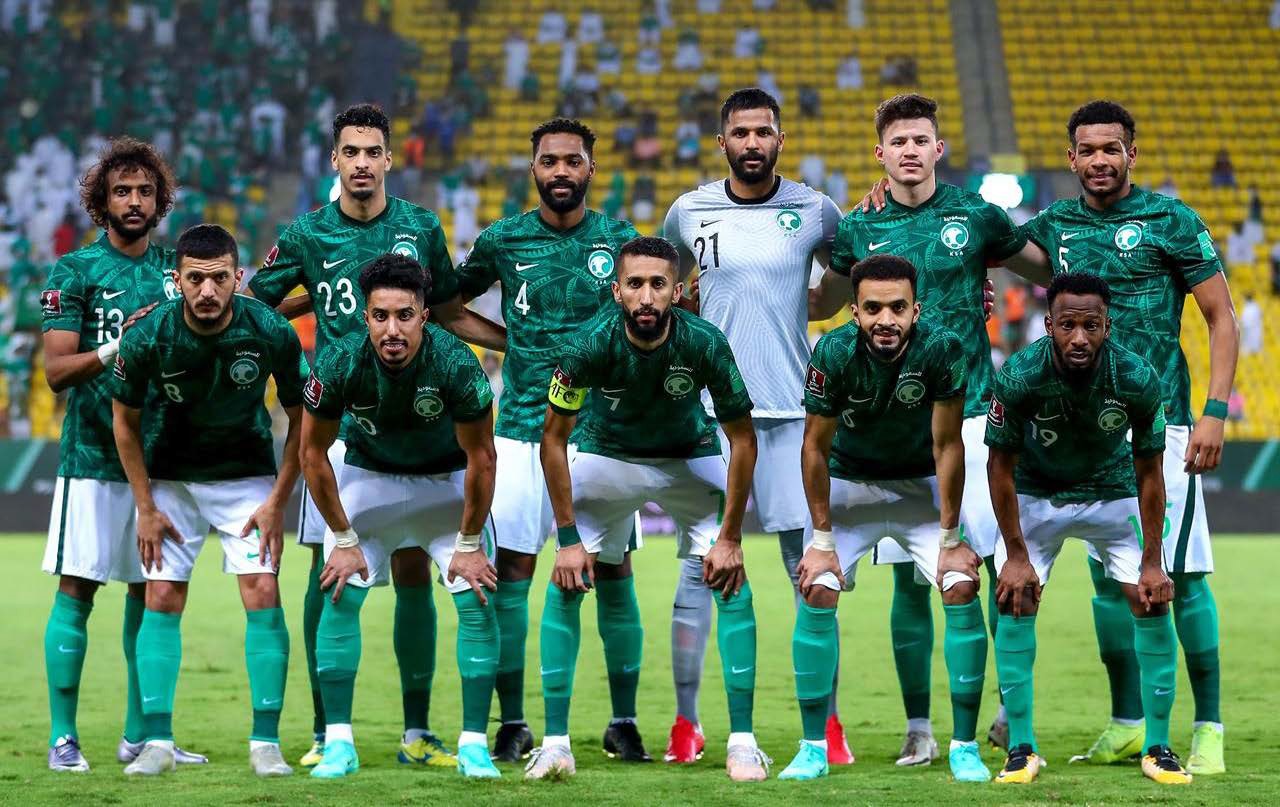
Sports & Recreation
Traditional sports like horse racing, camel racing, and falconry alongside modern sports. Soccer is especially popular today.
Flag: The Saudi Arabian flag has a green background with the Muslim creed in Arabic: "There is no god but God. Muhammad is the Messenger of God" in white letters.
Emblem: The Kingdom's emblem is a date palm, representing vitality and growth, and two crossed swords, symbolizing justice and strength rooted in faith.
The country uses the Islamic (Hijrah) calendar, which dates from the emigration of the Prophet Muhammad from Makkah to Madinah. The weekend is Friday and Saturday.
The 12 months of the Islamic lunar year are: Muharram, Safar, Rabi' Al-Awal, Rabi' Al-Akher, Jumada Al-Awal, Jumada Al-Akher, Rajab, Sha'ban, Ramadan, Shawwal, Dhu Al-Qadah, and Dhu Al-Hajjah.
The Kingdom is located in southwest Asia, at the crossroads of Europe, Asia and Africa, extending from the Red Sea in the west to the Arabian Gulf in the east.
It's bordered on the north by Jordan, Iraq and Kuwait; on the south by Yemen and Oman; and on the east by the United Arab Emirates, Qatar and Bahrain.
Saudi Arabia's geography is diverse, with forests, grasslands, mountain ranges and deserts. The climate varies from region to region.
Temperatures can reach over 110 degrees Fahrenheit in the desert in summer, while in winter, temperatures in the north and central parts can drop below freezing. Saudi Arabia gets very little rain, only about four inches a year on average.
Saudi Arabia's agricultural development over the last three decades has been astonishing. Large areas of desert have been turned into agricultural fields - a major accomplishment in a country that receives an average of about four inches of rain a year.
Today, Saudi Arabia exports wheat, dates, dairy products, eggs, fish, poultry, fruits, vegetables and flowers to markets around the world.
Both traditional and modern sports are popular in Saudi Arabia. The people of the Arabian Peninsula have enjoyed sports for thousands of years, including horse and camel racing, falconry and hunting with hounds.
Today, modern sports are also popular - especially soccer. Hundreds of facilities have been established throughout the Kingdom so that all Saudis can exercise regularly or enjoy popular spectator sports.
Arab & Islamic Traditions
Saudi traditions flow from two enduring sources: the timeless wisdom of Islam and the ancient customs of the Arab people. The rhythm of life follows sacred moments — the holy month of Ramadan and the Hajj pilgrimage — when millions gather in spiritual unity.
At the heart of Saudi culture lies diyafa — the sacred duty of hospitality. For generations, Saudi families have welcomed travelers, strangers, and guests with open doors and generous hearts. This is not merely custom; it is a deeply held value passed from parent to child.
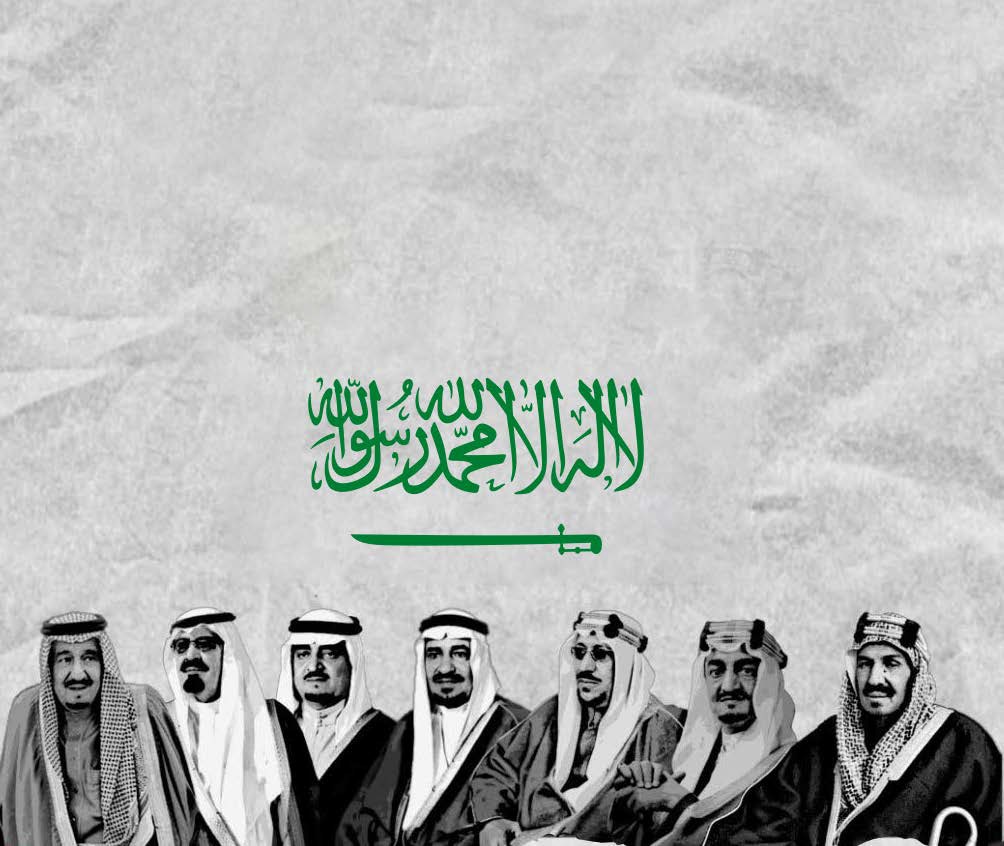
KSA Rulers
- Abdulaziz '32-53
- Saud '53-64
- Faisal '64-75
- Khalid '75-82
- Fahd '82-05
- Abdullah '05-15
- Salman '15-now
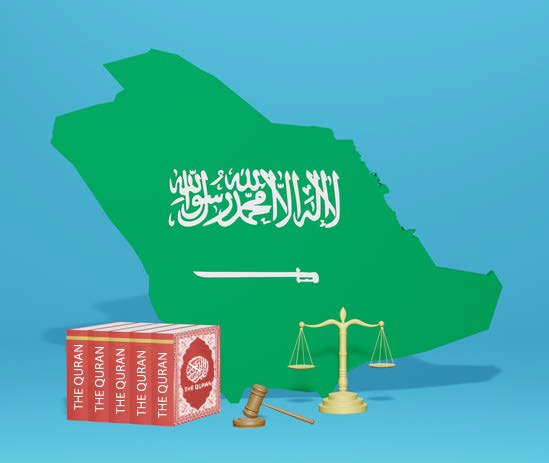
Legal System
Based on Islamic law (Shari'ah), derived from the Holy Qur'an, Sunnah, scholarly consensus (Ijma'), and analogy (Qias).
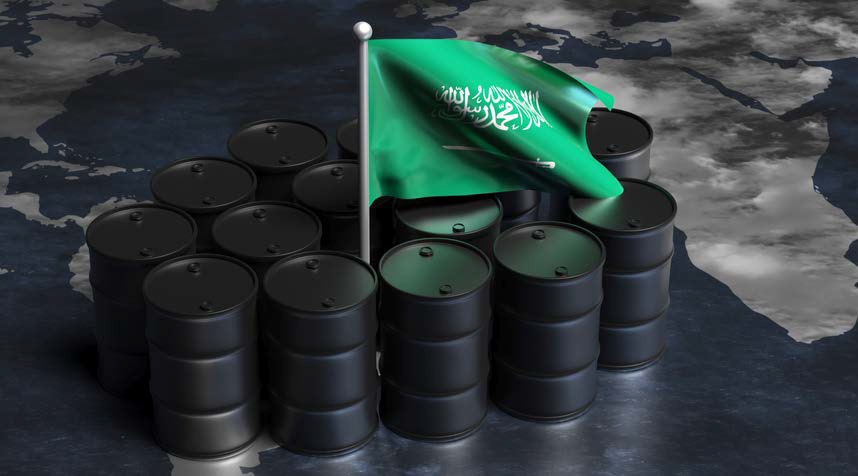
Energy
Home to a quarter of the world's proven oil reserves. The world's largest producer and exporter of oil, now diversifying into minerals and renewables.
Health & Social
Free healthcare for all citizens with world-class specialized care. Comprehensive social services ensure a decent standard of living.
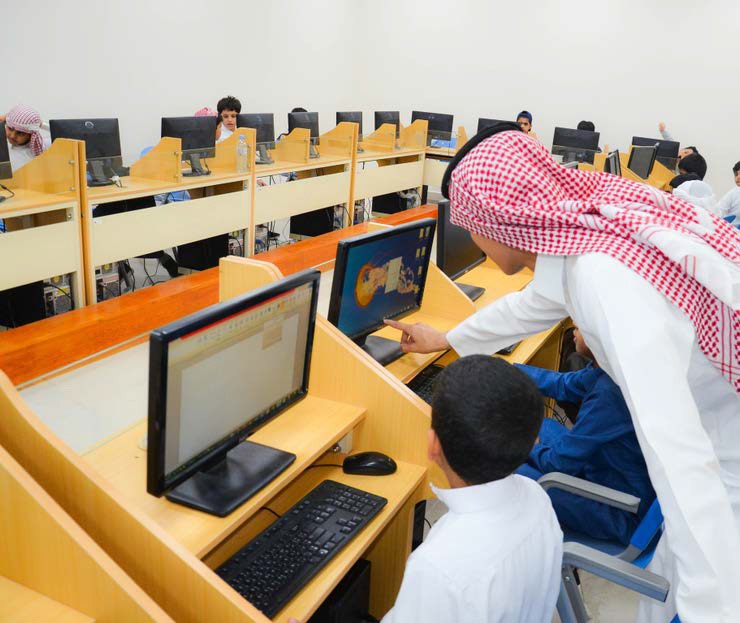
Education
Over 50 universities, 30,000 schools, free education with books and health services for all students.
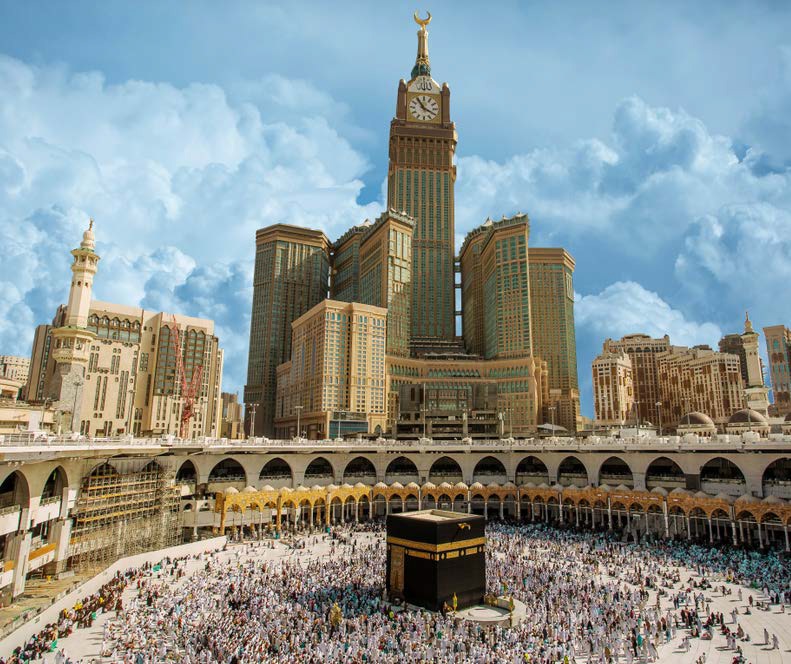
Faith & Heritage
Home to Islam's two holiest cities, Makkah and Madinah. Millions perform Hajj annually, following traditions over 1,400 years old.
- Abdulaziz '32-53
- Saud '53-64
- Faisal '64-75
- Khalid '75-82
- Fahd '82-05
- Abdullah '05-15
- Salman '15-now
Since Saudi Arabia is an Islamic state, its judicial system is based on Islamic law (Shari'ah) for both criminal and civil cases.
Muslims derive Shari'ah law primarily from the Holy Qur'an and secondarily from the Sunnah, the practices and sayings of the Prophet Muhammad during his lifetime. The third source is Ijma' (consensus of scholars), and the fourth is Qias (analogy).
The energy sector is the backbone of the Saudi economy. The Kingdom possesses a quarter of the world's proven oil reserves, and it is the world's largest producer and exporter of oil.
Saudi Arabia is also developing its additional energy resources - natural gas, refined oil products, and petrochemicals. With the discovery of precious and semi-precious metals, Saudi Arabia expects to become a major exporter of minerals in the coming decades.
The establishment of a modern health care and social services system has been one of Saudi Arabia's most stunning successes.
The Saudi health care network provides free care to the general public and some of the most sophisticated specialized care available anywhere in the world. The government also sponsors a wide range of social services programs aimed at ensuring that every citizen has a decent standard of living.
Saudi Arabia's education system has gone through an astonishing transformation. When the Kingdom was established in 1932, education was available to very few people.
Today, Saudi Arabia's education system includes over fifty public and private universities, some 30,000 schools, and a large number of colleges and other institutions. The system is open to all citizens, providing students with free education, books and health services.
Saudi Arabia is home to Islam's two holiest cities, Makkah and Madinah. Millions of Muslims perform the Hajj pilgrimage annually, following sacred traditions over 1,400 years old.
Arabic coffee (qahwa) and the burning of oud incense are timeless expressions of Saudi hospitality, welcoming guests with warmth and respect.
Arabic Calligraphy
More than writing - a sacred art transforming divine words into visual poetry. Explore Thuluth, Naskh, and Diwani scripts.
Explore Gallery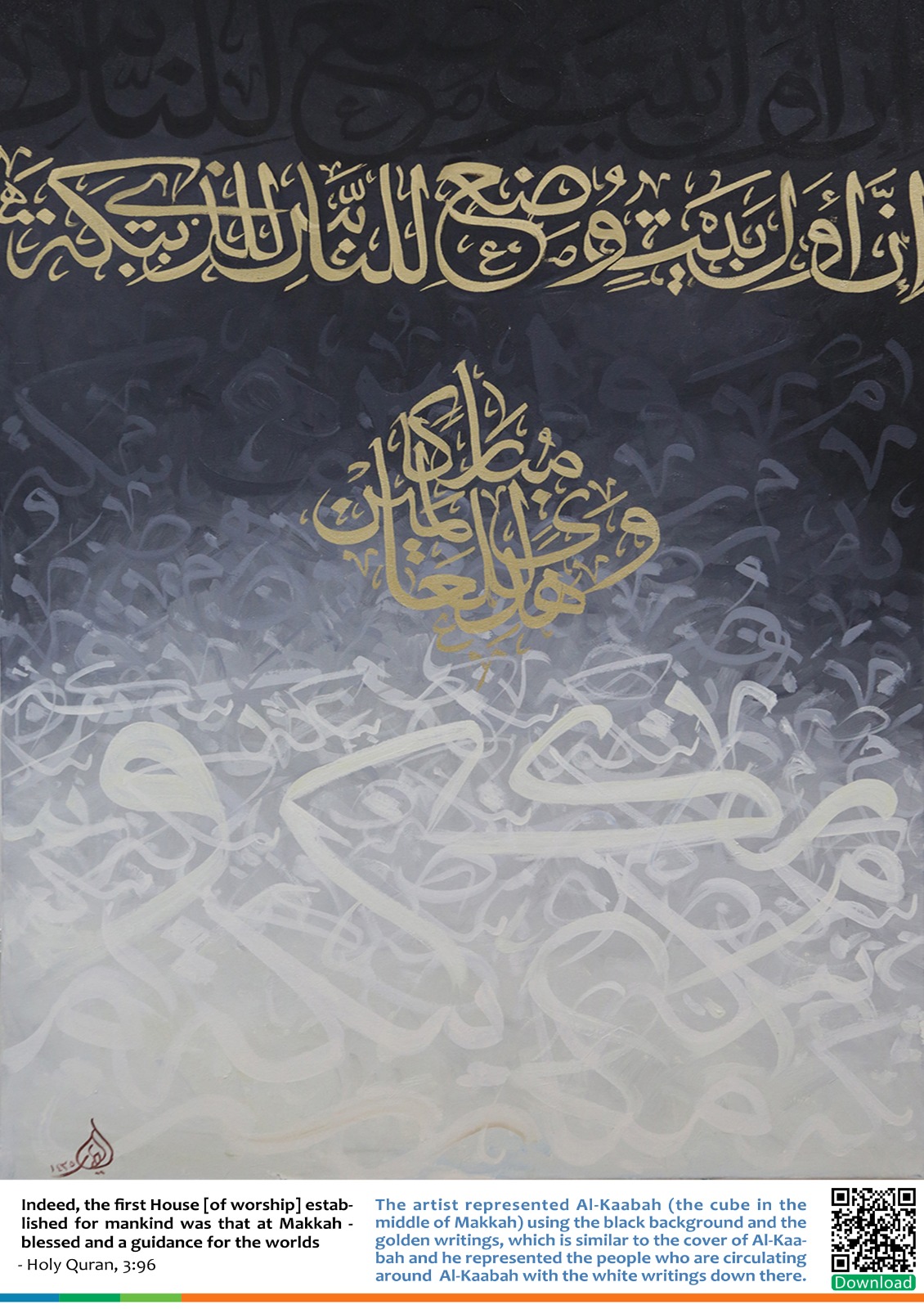 The First House
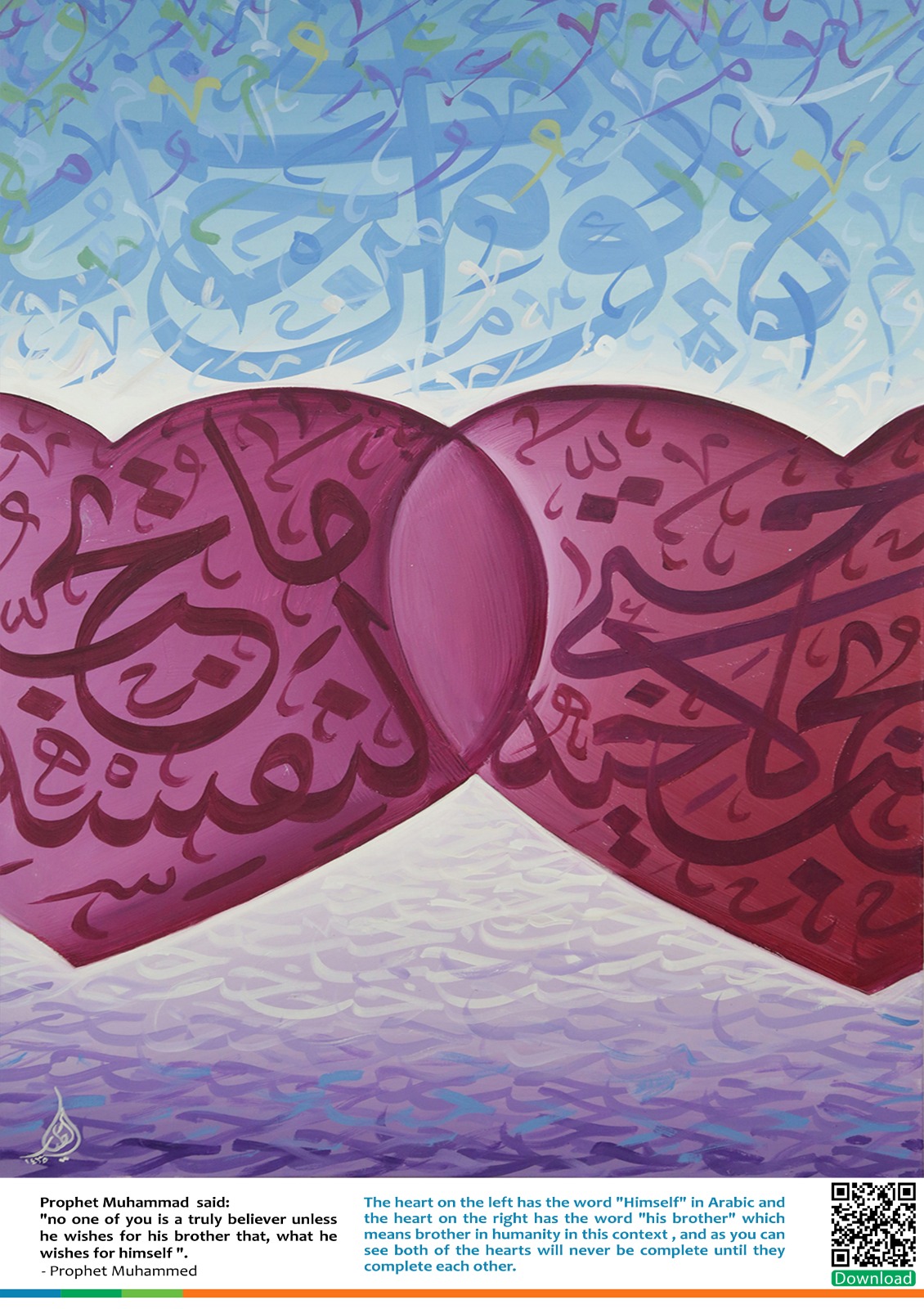 Brotherhood
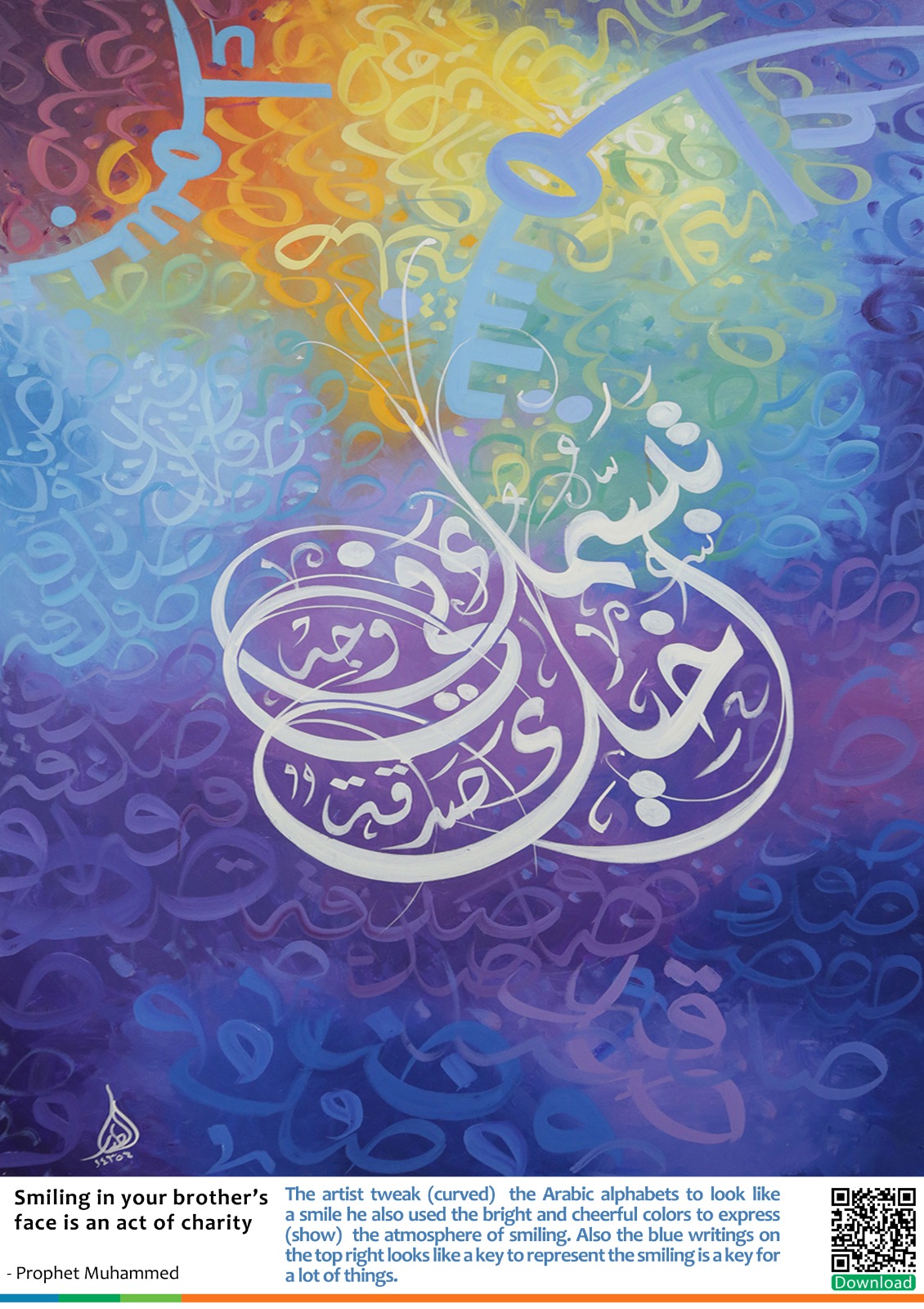 Smile is Charity
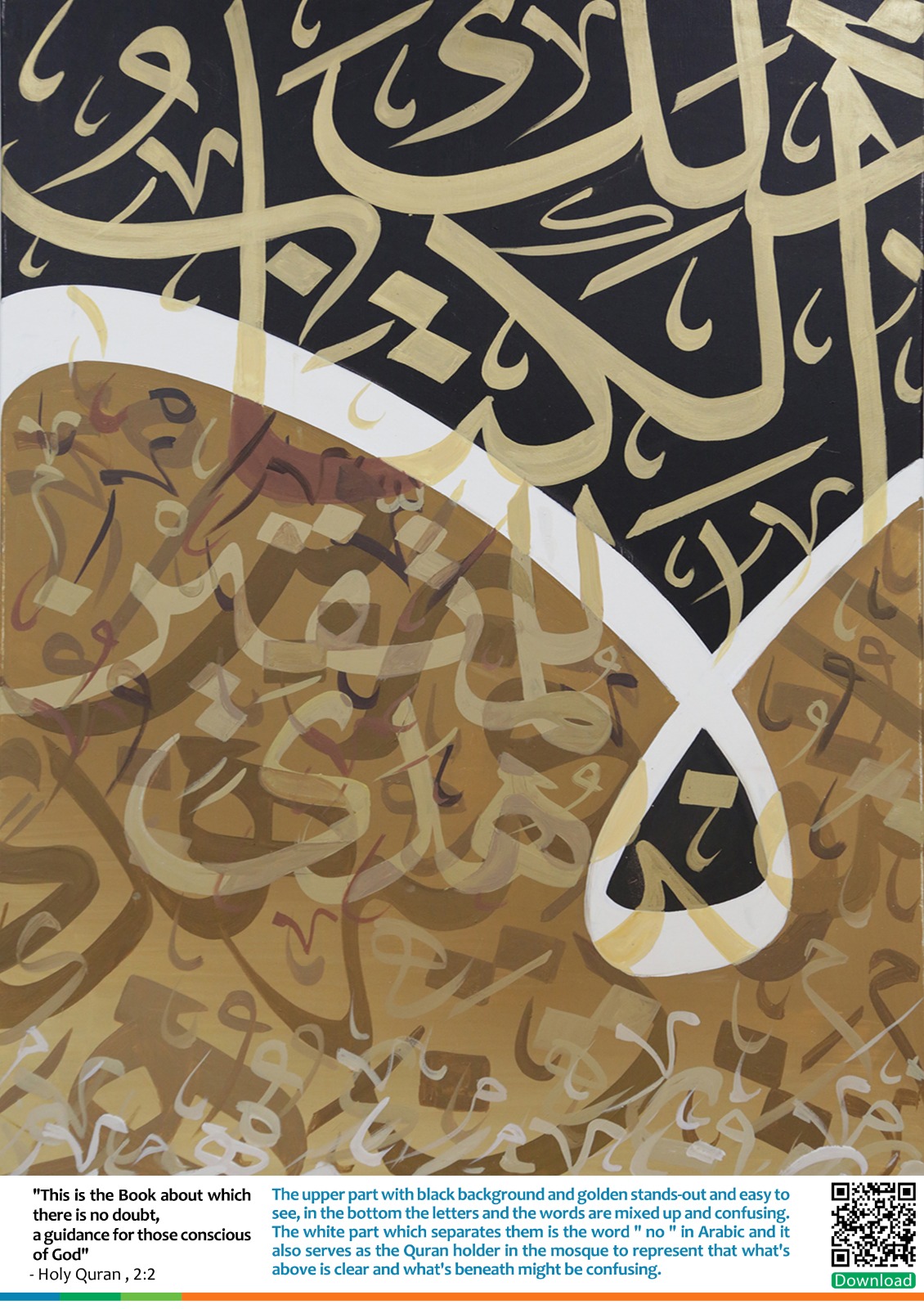 Divine Guidance
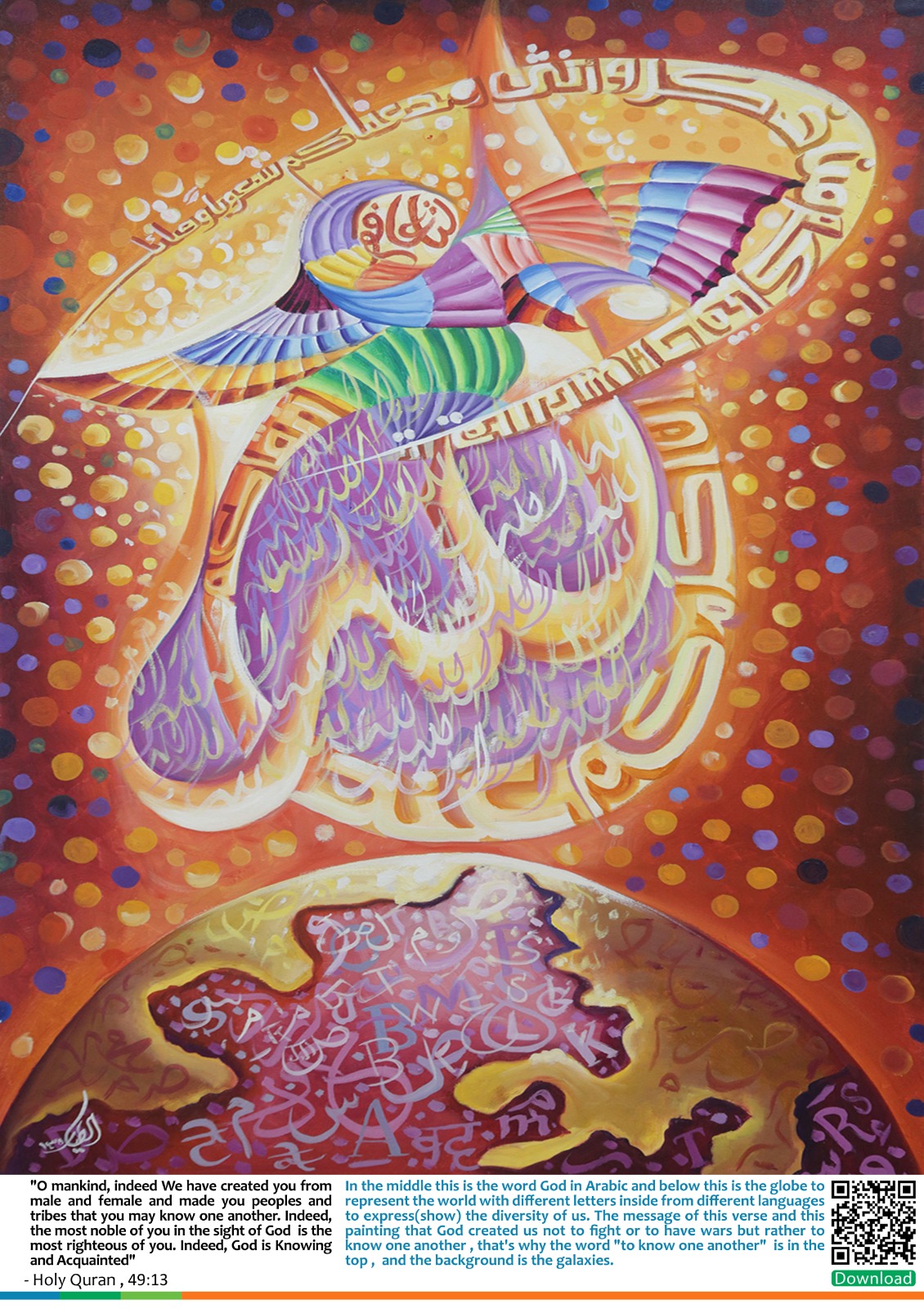 Unity in Diversity
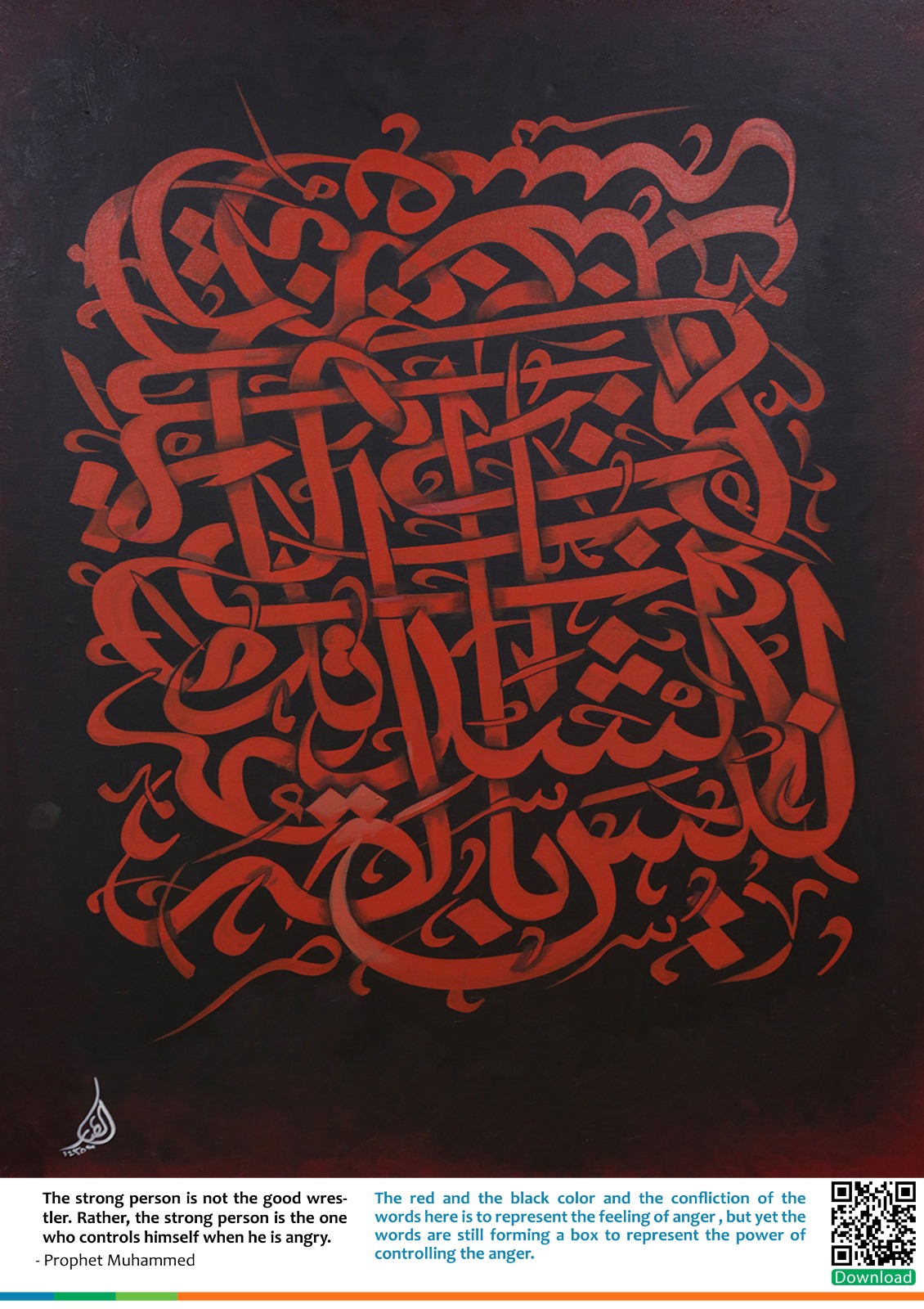 True Strength
Stories from Those Who Visited
Every guest carries home a story. Here are a few from those who experienced Saudi hospitality firsthand.
"Thank you for sharing Saudi culture, history and hospitality. I learned a lot of beautiful things about the Kingdom and the culture of your beautiful country after this visit. I am very impressed."
"With great surprise I got your present on my visit to the most impressive Al Qara Mountain. After that I made a wonderful tour to Jubbah, Al Ula, Jeddah and Riyadh. I appreciate the beautiful landscape and historical sites I have visited together with my wife, but mostly the friendliness, warmth, and hospitality the Saudi people gave to us. I recommend all my friends what an interesting and open country Saudi Arabia is nowadays."
"Really great and friendly people. Very nice and helpful. I was impressed by how welcoming everyone was throughout my journey. The culture is rich, the landscapes are breathtaking, and the modern development alongside ancient traditions creates a unique experience unlike anywhere else in the world."
"Thank you. I had an incredible time in Saudi Arabia. The people were so friendly and authentic. I learnt a lot. Saudi is very modern and a great place to visit. Very different from what we see in the media. I would highly recommend anyone curious about this part of the world to visit and experience it firsthand."
Contact Us
Whether you have questions about Saudi culture, wish to share your own experiences, or simply want to learn more about our heritage — we would be honored to hear from you. In the spirit of Saudi hospitality, every message is welcomed.